
If you think the bathroom is the dirtiest place in the house, you may be surprised. Research from NSF found that several of the top germ hotspots in the home are actually in the kitchen, while the CDC also recommends cleaning high-touch surfaces like switches and handles regularly.
That is why hidden germs in your home can build up in places that seem harmless at first glance. Small, frequently touched surfaces like handles, remotes, and faucet knobs are easy to overlook during regular chores, even though they get used all day.
In busy households, those missed areas can add up quickly. People looking into House Cleaning in Nashville often want to know which parts of the home need more attention beyond the obvious mess. Sparkly House Cleaning helps homeowners keep track of these often-forgotten spots by focusing on the areas that are used the most and cleaned the least.
Key Takeaways
-
- Some of the dirtiest places in a home are small surfaces that people touch every day.
-
- Kitchens, bathrooms, and shared items often collect more bacteria than expected.
-
- Moisture, food residue, dust, and frequent hand contact all help germs build up faster.
-
- This blog explains 12 hidden spots people often miss, how often to clean them, and simple ways to keep them fresher.
Why Some Areas in Your Home Collect More Germs Than Others
Some places get dirty fast because they are used often but cleaned less often. Others stay damp, which helps bacteria stick around longer. A surface does not have to look messy to have buildup on it.
A few common reasons these areas collect germs faster include:
-
- Frequent hand contact throughout the day
-
- Moisture from sinks, showers, and cooking
-
- Food splashes, crumbs, and grease
-
- Dust settling into corners, seams, and edges
This is why even a tidy-looking home can still have hidden trouble spots.
12 Hidden Areas in Your Home That Collect the Most Germs
1. Light Switches
Light switches are touched every day, often many times a day. People use them when coming in from outside, after cooking, before washing hands, and while moving from room to room. Since they are small and blend into the wall, they are easy to forget.
Wipe them several times a week, especially in kitchens, bathrooms, and entryways.
2. Door Handles and Cabinet Knobs
Door handles and cabinet knobs are some of the most used surfaces in a home. Bathroom doors, pantry doors, bedroom doors, and kitchen cabinets all get touched often. These spots can collect oils, fingerprints, and bacteria quickly.
A quick wipe during regular cleaning can help keep them from becoming one of the most missed dirty areas in the house.
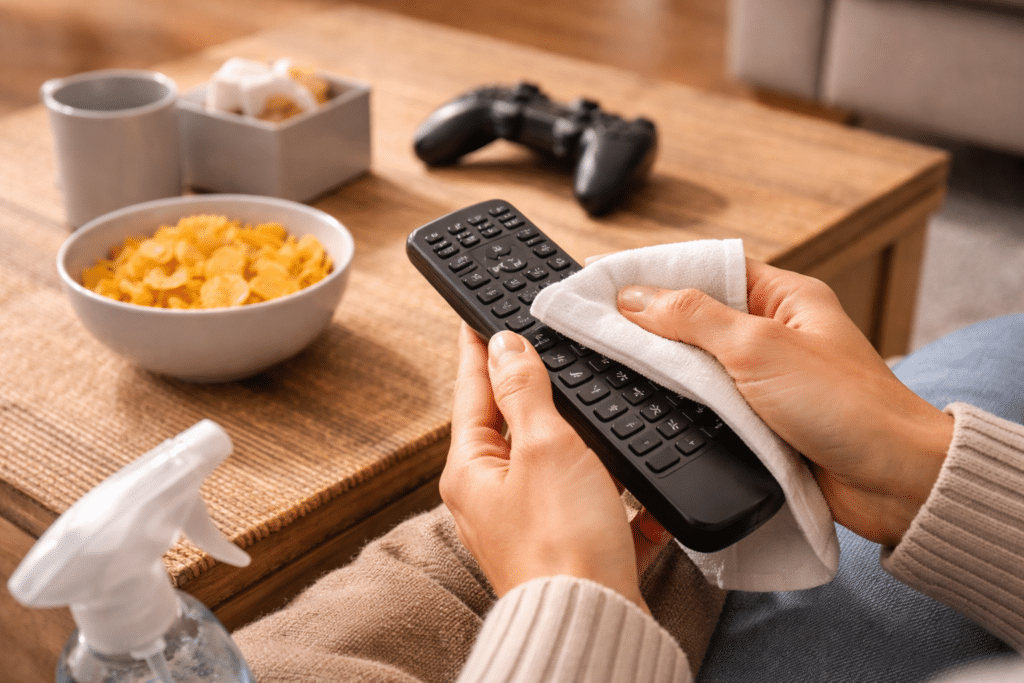
3. TV Remotes and Game Controllers
These are shared items that move from hand to hand and often get used while eating or relaxing. Because they sit in living rooms and bedrooms, people do not always think of them as part of the cleaning routine.
Clean around the buttons and edges with a soft cloth and a safe cleaner made for electronics.
4. Refrigerator Handles
The refrigerator handle gets touched before cooking, during cooking, and after handling food packages. It is one of those surfaces that can get dirty in minutes and still look perfectly fine.
Since it is used so often, it should be cleaned several times a week.
5. Kitchen Sponges and Dish Rags
Sponges and dish rags may help clean the kitchen, but they can also become one of the dirtiest items in the room. They stay damp, collect food particles, and often get reused again and again.
To keep them cleaner:
-
- Replace sponges often
-
- Wash dish rags in hot water
-
- Let them dry fully between uses
-
- Avoid using one rag for every surface
6. Sink Faucets and Drain Areas
Kitchen and bathroom sinks collect water, soap, food bits, and residue every day. Faucet handles are touched before and after washing hands, while the drain area can trap grime in places that are easy to miss.
These surfaces should be scrubbed regularly, not just wiped on the surface.
7. Cutting Boards
Cutting boards come into contact with fruits, vegetables, raw meat, crumbs, and moisture. Even after rinsing, they can still hold onto residue if they are not washed well.
Boards with scratches or grooves need even more care because bacteria can settle into those lines. This is one of the most useful home cleaning tips to remove germs in the kitchen, since food prep areas need extra attention.
8. Toothbrush Holders
Toothbrush holders often sit on the bathroom counter for weeks without being cleaned. Water drips into them, toothpaste splashes on them, and the bottom can collect residue fast.
Rinse them out often and wash the whole holder, not just the outside.
9. Toilet Flush Handles
People expect the toilet itself to need cleaning, but the flush handle is one of the most touched parts of the bathroom. It often gets skipped during quick cleanups because the focus stays on the bowl or seat.
Wiping it often can help reduce buildup in a spot that gets used every single day.
10. Washing Machine Buttons and Handles
Laundry rooms have their own hidden dirty spots. Washing machine lids, knobs, and buttons are touched with dirty clothes in hand, and that makes them easy places for grime to collect.
Laundry baskets can also hold onto sweat, body oils, and dust from clothing and towels.
11. Stair Railings
Stair railings are touched by everyone in the home, but they are rarely cleaned as often as tables or counters. Since they are used while moving quickly through the house, they often go unnoticed.
Railings should be wiped down during weekly cleaning, especially in busy households.
12. Pet Bowls and Feeding Areas
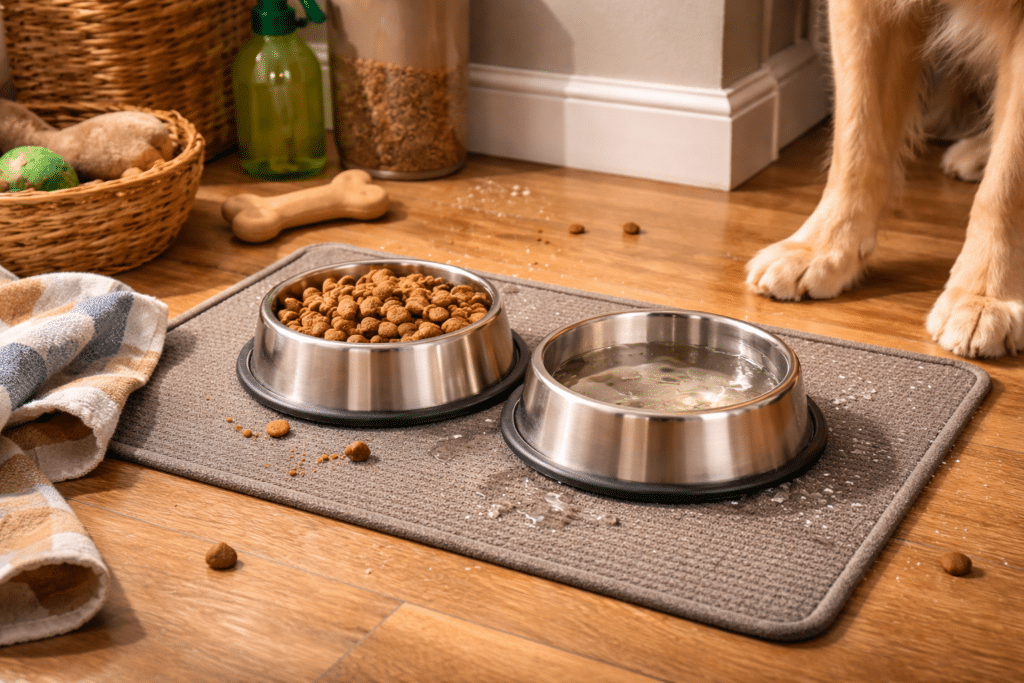
Pet bowls, feeding mats, and nearby floors can get dirty fast. Water splashes, food crumbs, saliva, and dirt from paws all add up over time. Homes with pets need to keep these areas on the regular cleaning list.
A few easy habits can help:
-
- Wash food and water bowls often
-
- Wipe feeding mats regularly
-
- Clean around the bowls, not just the bowls themselves
-
- Check nearby floors for crumbs and splashes
How Often Should You Clean These Germ Hotspots?
Not every surface needs the same cleaning schedule. Some need daily care, while others can be cleaned every few days or once a week.
| Area | How Often to Clean |
| Light switches and door handles | Several times a week |
| Refrigerator handles and faucet handles | Several times a week |
| Remotes and game controllers | Weekly or more often if shared a lot |
| Kitchen sponges and dish rags | Sanitize often and replace regularly |
| Cutting boards | After each use |
| Toothbrush holders | Weekly |
| Toilet flush handles | Several times a week |
| Washing machine controls | Weekly |
| Stair railings | Weekly |
| Pet bowls and feeding mats | Daily to several times a week |
A simple schedule makes it easier to keep up without turning every cleaning session into a long task.
Simple Tips to Keep Germs Under Control at Home
A better cleaning routine does not have to be hard. The main thing is remembering that small shared surfaces need just as much attention as the big visible areas.
You can make the routine easier by:
-
- Cleaning one room at a time
-
- Wiping high-touch surfaces first
-
- Using separate cloths for the kitchen and bathroom areas
-
- Keeping a short checklist for hidden spots
These habits can help cut down on the areas people forget most often. They also make regular cleaning feel more complete.
When It Makes Sense to Schedule a Deep House Cleaning
Sometimes, daily and weekly chores are not enough to cover all the small details. After illness, guests, holidays, or a long, busy stretch, hidden surfaces can get skipped again and again.
A deeper cleaning can help when:
-
- Your regular routine has fallen behind
-
- You want to reset the kitchen and bathroom fully
-
- High-touch surfaces have not been cleaned often
-
- Shared spaces are getting heavy use
This is also why some homeowners start looking into house cleaning services in Brentwood, TN, when they want extra help catching the areas that are easier to miss during regular chores.
Conclusion
The dirtiest parts of a home are not always the ones people expect. Small, shared surfaces like switches, handles, remotes, drains, railings, and pet areas can collect more buildup than the places that get the most attention. Once you know where hidden germs in your home are likely to gather, it becomes easier to clean with better results.
A cleaner home starts with noticing the spots that get touched the most and are cleaned the least. Sparkly House Cleaning understands how easily these areas can be missed during a busy week. Paying attention to them can make everyday cleaning far more effective.
If you are ready to go beyond basic cleaning and give your home a fresher, deeper clean, now is the perfect time to book your next clean with Sparkly House Cleaning.
FAQs
1. What are the most overlooked germ hotspots in a home?
Light switches, remotes, refrigerator handles, faucet handles, toothbrush holders, and stair railings are some of the most missed spots.
2. Why do hidden areas collect germs so quickly?
Most of them are touched often, stay damp, or trap food residue, dust, and grime in small spaces.
3. How often should high-touch surfaces be cleaned?
Many high-touch surfaces should be wiped several times a week. In busy homes, some may need daily cleaning.
4. Can a home look clean and still have a lot of germs?
Yes. A room can look neat while still having bacteria on the shared surfaces people use every day.